Title here
Summary here
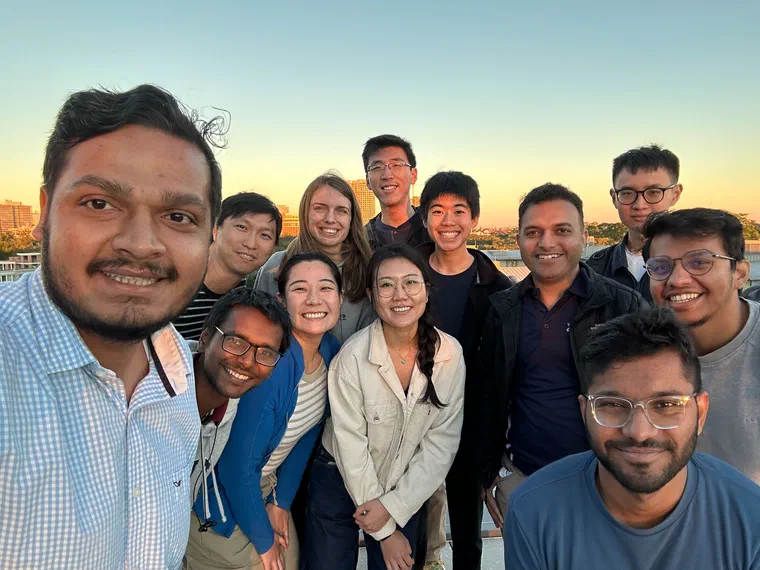
Welcome to the Human-AI Teaming Lab at Rice University! We pursue research on human-AI/robot interaction, with an emphasis on teamwork in the physical world. Advancing the computational foundations, we develop algorithms for understanding human intent and explaining machine behavior. To demonstrate its real-world potential, we partner with subject-matter experts to build cognitive and robotic assistants that enhance human capability.
Congratulations to the first batch of PhD graduates from the Teaming Lab: Dr. Pam Qian (now Assistant Professor @ the University of Houston); Dr. Sangwon Seo (now @ Google); and Dr. Liubove Savko (now @ Nvidia).
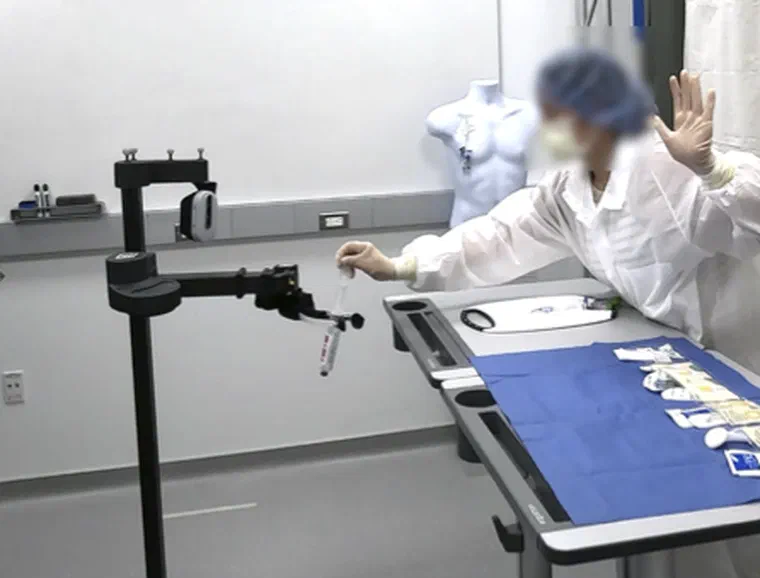
Robots can now help humans learn physical skills! Read more about our robotic tutor Astrid that helps nurses practice and prevent healthcare-associated infections in our Robotics: Science and Systems (RSS) 2025 paper.
We co-organized two exciting workshops: Robotics for Nursing at the International Symposium on Medical Robotics (ISMR); and Rice's first Human-Autonomy Teaming (HAT) Summit.
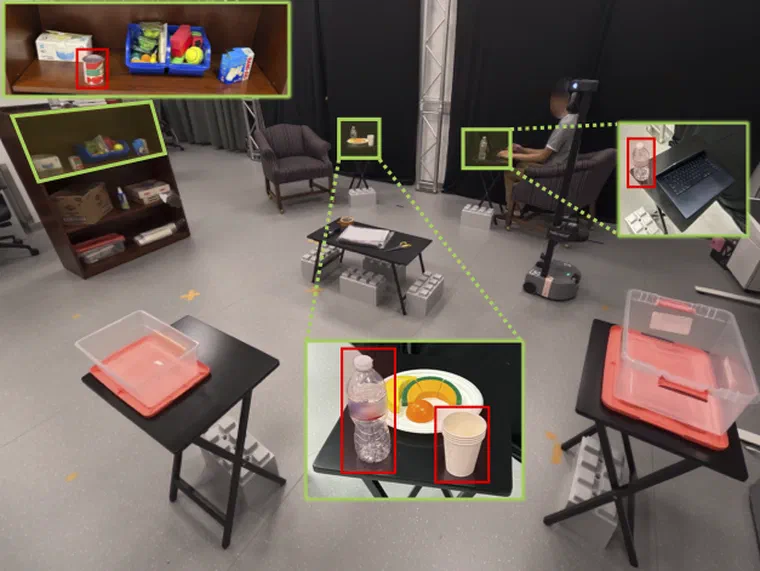
Effective teamwork begins with mutual understanding. We develop algorithms that let AI agents infer human intent and preferences from data. With them, agents can anticipate and adapt to their human teammates from limited interaction. Explore our work on understanding humans.
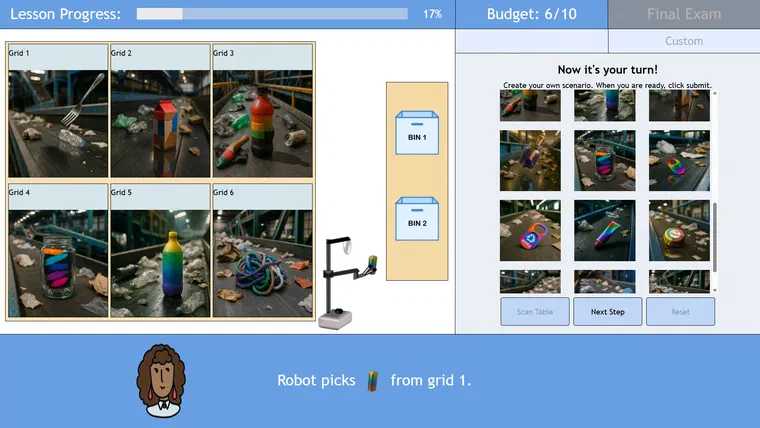
Understanding must flow both ways. We develop explainable AI methods that summarize what an agent values and how it acts. These summaries help people form accurate mental models of the AI and robots they work with. Explore our work on explainable AI and policy summarization.
Building on these foundations, we create virtual and robotic assistants. With domain experts, we are developing an AI coach that helps strengthen teamwork and robotic tutors that assess nursing skills. We are always looking to bring our research to new domains.